
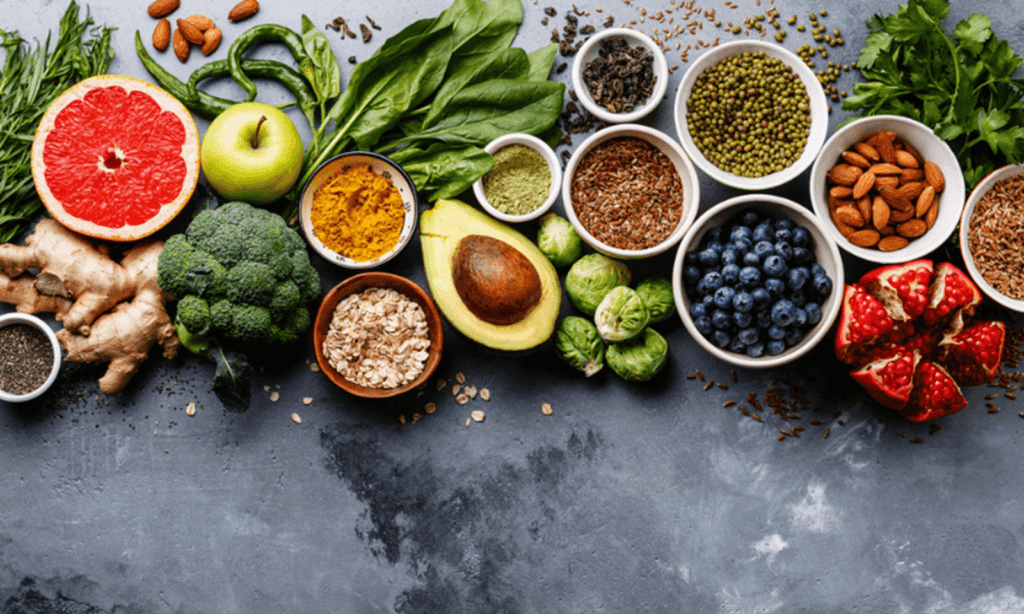
As we age, our nutritional needs evolve—and for seniors managing chronic conditions like diabetes, heart disease, arthritis, or hypertension, diet becomes more than a lifestyle choice. It is a key component of disease management and prevention.
At Cerium Family Practice in Decatur, GA, we help seniors and caregivers understand the critical role of nutrition in chronic care and empower them with actionable strategies for healthier living.
Why Nutrition Matters More as We Age
- Slower metabolism makes it easier to gain weight.
- Reduced appetite may limit nutrient intake.
- Nutrient absorption declines with age, increasing the risk of deficiencies.
Healthy eating in later years helps:
- Stabilize blood sugar for diabetes control
- Lower blood pressure for hypertension management
- Reduce inflammation for arthritis relief
- Protect the heart and arteries for cardiovascular health
Core Nutrients Seniors Should Prioritize
1. Protein for Strength & Mobility
- Supports muscle repair and prevents frailty.
- Best sources: chicken, fish, legumes, tofu, eggs, low-fat dairy.
2. Fiber for Digestion & Heart Health
- Lowers cholesterol and regulates blood sugar.
- Found in: oats, beans, fruits, vegetables, whole grains.
3. Calcium & Vitamin D for Bone Health
- Prevents osteoporosis and fractures.
- Found in: dairy, fortified plant milks, leafy greens, and sunlight exposure.
4. Healthy Fats for Brain & Joint Support
- Omega-3 fatty acids reduce inflammation and support memory.
- Found in: salmon, flaxseeds, walnuts, olive oil.
5. Essential Vitamins & Minerals
- B12 for energy, potassium and magnesium for heart health, antioxidants for immune support.
- Found in: colorful fruits, vegetables, fortified cereals.
Nutrition Tips by Chronic Condition
For Diabetes
- Focus on low-glycemic foods (whole grains, legumes, non-starchy vegetables).
- Eat smaller, more frequent meals to avoid blood sugar spikes.
For Hypertension
- Follow the DASH diet: fruits, vegetables, whole grains, lean proteins, and low-fat dairy.
- Reduce sodium; increase potassium-rich foods like spinach, bananas, and sweet potatoes.
For Arthritis
- Choose anti-inflammatory foods: fatty fish, nuts, olive oil, leafy greens.
- Avoid processed foods and refined sugars.
For Heart Disease
- Prioritize heart-healthy foods: whole grains, fruits, vegetables, and lean proteins.
- Cut back on red meat, trans fats, and high-sodium packaged foods.
Practical Tips for Healthy Eating in Seniors
- Meal planning: Prep nutrient-dense meals ahead of time to avoid unhealthy options.
- Portion control: Smaller, balanced meals help maintain steady energy and blood sugar.
- Smart shopping: Stick to fresh produce, lean proteins, and whole grains; avoid high-sodium processed foods.
- Stay hydrated: Seniors may not feel thirsty but still need 6–8 cups of water daily.
Overcoming Common Challenges
- Loss of appetite: Offer small, appealing meals; eat with family or friends.
- Chewing/swallowing difficulties: Choose soft options like smoothies, soups, and mashed vegetables.
- Budget limitations: Buy frozen produce, shop in bulk, and use beans or lentils as affordable protein sources.
- Social isolation: Encourage shared meals, senior center programs, or community dining for connection.
Conclusion: Eating Well for a Healthier Future
For seniors, healthy eating isn’t just about adding years to life—it’s about adding quality to those years.
At Cerium Family Practice in Decatur & Atlanta, we create personalized nutrition and chronic disease management plans to help seniors:
- Maintain independence
- Manage chronic conditions
- Improve energy, strength, and overall well-being
📞 Call today to schedule a preventive health consultation for yourself or a loved one. Together, we’ll design a nutrition plan that supports longevity and better living.